Image Map
Showing posts with label Independent Reading. Show all posts

A Simple Activity for Story Elements Practice

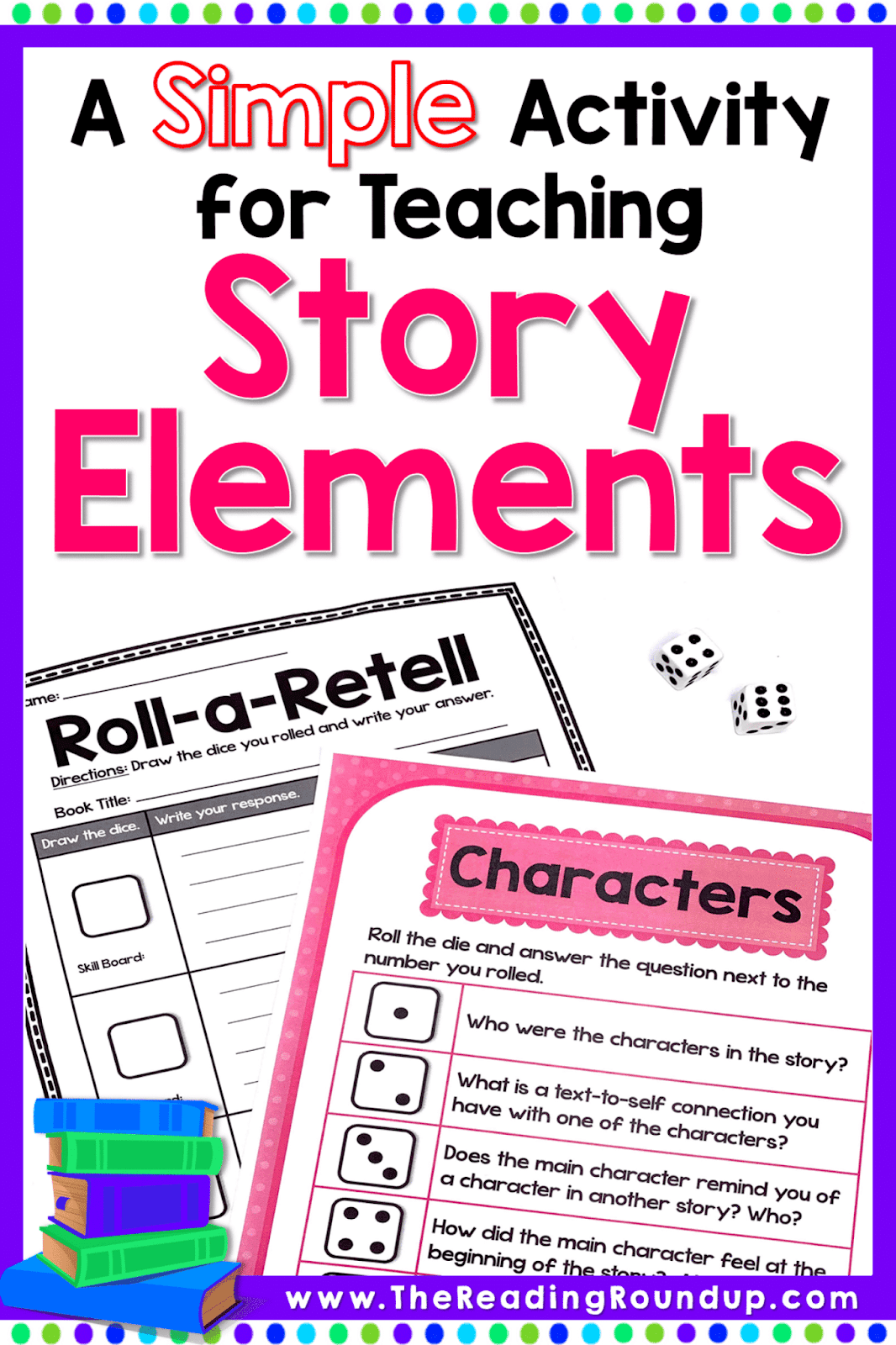
Are you looking for a fun way for students to practice retelling fictional texts? I have the PERFECT activity I use to work on story elements in an engaging way. Students play a dice game to answer various comprehension questions. Engaging and fun for students!

Are you looking for a fun way for students to practice retelling fictional texts? I have the PERFECT activity I use to work on story elements in an engaging way. Students play a dice game to answer various comprehension questions. Read on to find out how I use this activity with my students!

**This post contains affiliate links.**

What is Roll-a-Retell?

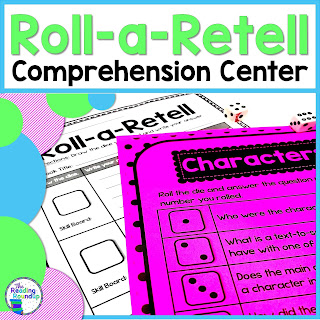
Roll-a-Retell is a dice game for comprehension practice. Students roll a dice and answer a question that corresponds to the number they rolled. They can answer the question orally or in a written response.
Are you looking for a fun way for students to practice retelling fictional texts? I have the PERFECT activity I use to work on story elements in an engaging way. Students play a dice game to answer various comprehension questions. Engaging and fun for students!

Setting up the Activity

Decide which comprehension skills you would like to focus on with the activity. Some suggested skills include: retelling, character analysis, story elements, making connections, and theme.

Create 6 questions stems for each skill you'd like to include. You can easily differentiate the activity by the skills and difficulty level of the questions you use. You may want to scaffold the questions and increase difficulty based on the number. (Think Bloom's Taxonomy). For example if you're working on characters, a #1 question could be "Who was the main character" while a #6 question could ask "Would you be friends with the main character? Why or Why not?" After students are familiar with the activity they can create their own questions!
Are you looking for a fun way for students to practice retelling fictional texts? I have the PERFECT activity I use to work on story elements in an engaging way. Students play a dice game to answer various comprehension questions. Engaging and fun for students!

Choose a way to display the questions to students. You may want to create a visual for your literacy centers or on a bookmark. Digital options could be showing it on your board or with a QR Code for students to access the questions.

Before implementing the activity, decide how you would like students to respond. If they're responding orally you will not need to prep anything. But if you opt for a written response you need to decide how that will look. Some options for recording their responses are: in their Readers Notebooks, on plain notebook paper, white boards, or a specific recording sheet. I prefer using a recording sheet so I can collect it. This allows me to informally assess their comprehension as well as holds them more accountable for their work. 
Are you looking for a fun way for students to practice retelling fictional texts? I have the PERFECT activity I use to work on story elements in an engaging way. Students play a dice game to answer various comprehension questions. Engaging and fun for students!

Ways to Implement the Activity

Guided Reading

This is my students' favorite activity to do during guided reading! After we finish reading a fiction story, we use a Roll-a-Retell game board to answer comprehension questions about the text. I select questions based on the skills that we are targeting within our group. It's a fun and easy way to informally assess students' comprehension of the text. Plus it's engaging and changes things up a bit for the students.

Literacy Centers

Students can work with a buddy to complete this activity during centers. They can each read an individual book or read a book together. After finishing the book(s), the students take turns rolling the dice. You may opt to have students orally respond to the questions or have them write down their answers. 

IKEA 2-Sided Picture Frames are perfect to use for Literacy Centers!
Click to purchase the frames!

**Tip for Centers Setup!**
I love using 2-sided frames for centers. It is easy to print off directions and keep at the table where students are completing the centers activity. For the Roll-a-Retell activity, I place the questions I want students to answer in the frame. Super simple way to keep things organized!

Independent Reading

Students can also complete this activity during independent reading. After they read a fiction book, they can answer comprehension questions about the story. This is the perfect opportunity for reading response in students' Readers Notebooks.
Are you looking for a fun way for students to practice retelling fictional texts? I have the PERFECT activity I use to work on story elements in an engaging way. Students play a dice game to answer various comprehension questions. Engaging and fun for students!
Click to download the boards I use!

Have you used the Roll-a-Retell activity with your students? Share your tips for implementing this or similar activities in the comments below!


Want to Pin This for Later?
Are you looking for a fun way for students to practice retelling fictional texts? I have the PERFECT activity I use to work on story elements in an engaging way. Students play a dice game to answer various comprehension questions. Engaging and fun for students!

The Best Way to Develop Your Students' Love of Books


The Best Way to Develop Your Students' Love of Books - The Reading Roundup

As teachers, we always say that we want to "help our students develop a love of reading." But how do we actually do that? Literacy gurus and researchers tell us it all comes down to finding the right book for our students. As we all know, sometimes that isn't always as easy as it sounds.


The Best Way to Develop Your Students' Love of Books - The Reading Roundup

Through many years of trial and error, I've found a strategy that has proven to be highly successful with my students: a special delivery mailbox! Continue reading to find out how I've implemented this approach to help my students truly get excited about reading!


The Best Way to Develop Your Students' Love of Books - The Reading Roundup

Special Delivery Mailbox for Book Recommendations

I wanted to find a fun way to provide students with personalized book recommendations. I bought a mailbox and a small table to keep outside of my room. I created several envelopes with a "Special Delivery" label and laminated them for durability.

The Best Way to Develop Your Students' Love of Books - The Reading Roundup

Throughout the year, I randomly place books in an envelope addressed to specific students. These are books I think they will like based on their individual interests. They are books I have in my room, borrow from the library, or order from Scholastic. Each day students are eager to check to see if there is any mail in the mailbox! This alone adds a tremendous amount of excitement for reading!


Ways to Discover Your Students' Interests.


1 - Administer Reading Interest Surveys

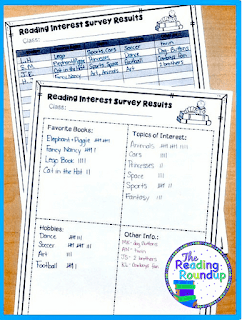
Every year I always administer reading interest and attitude surveys with my students. These surveys provide me with a wealth of information about how students feel about reading and more importantly how they feel about themselves as readers. 

The interest surveys tell me the types of books students enjoy reading, any specific books/series they already like, as well as their interests in general. (Remember to accept ALL types of reading - graphic novels, books you feel are below their reading level, etc.) This information helps me come up with book recommendations specifically targeted to each students' individual interests. To find out more about reading interest and attitude surveys, click here.

Reading Interest and Attitude Surveys - The Reading Roundup


After I administer the surveys, I create a master document listing each students' personal interests as well as any favorite genres, books, authors, etc. I refer to this list to gain ideas of which books to deliver to students in the mailbox. 


2 - Scholastic Wish Lists

Another way that I gain additional information on the books students are interested in reading is by giving them Scholastic book flyers. I allow them to shop through the book orders and circle the books they want. Who doesn't love creating a wish list? I use their wishlists to select which books to purchase. I make sure to get at least one book on every student's wish list. (Be sure to use bonus points and select the $1 books on a student's wish list when possible!) 

The Best Way to Develop Your Students' Love of Books - Scholastic Book Flyers - The Reading Roundup

At Christmas, I wrote the younger students a letter from the elf asking the students to select books. This just added an extra element of excitement! 

The Best Way to Develop Your Students' Love of Books - Scholastic Books - The Reading Roundup

When the books arrive, I do not tell the students. Each day I randomly put a book in the special delivery envelope and put in the mailbox. This builds excitement for the students because they don't know when it will be their turn to get one of their books. They also are excited because they don't know which book(s) I've selected for them! 

Keeping Track of Book Recommendations

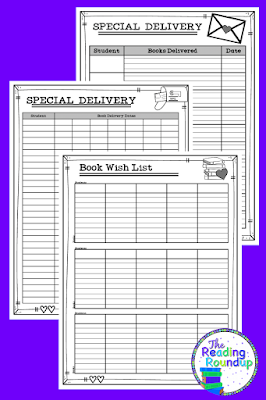
I use several documents to help me keep track of everything. I have a master list that tells me each students' interests and book picks. That list is helpful when selecting which book recommendations to deliver to students.

I also have other documents to keep track of book deliveries. I want to make sure that each student is receiving book recommendations. I write down the dates to make sure they all receive book suggestions within a reasonable amount of time.

The Best Way to Develop Your Students' Love of Books - Special Delivery Books FREEBIE - The Reading Roundup


Delivering Book Recommendations has Made my Students Truly Love Reading

One of my 5th graders said, "I love reading now, and that is something I never said before." They beg me for more time to read. These are students who previously only pretended to read and were very resistant when it was time for independent reading. A second grader, who was a very reluctant reader, started to refuse to participate in our review games because she just wanted to read. In fact, she would have been content to miss recess to continue reading! 

The Best Way to Develop Your Students' Love of Books - The Reading Roundup

My students are truly excited about reading because they feel they have a choice in the books they read. Previously, they would complain that their teachers always tell them what to read and it was never anything that interests them. By making their voices heard and finding books tailored to their individual interests, they honestly do love reading now.

What other methods have you used to help students find the "right" book that have led them to develop of love of reading?


Want to pin this for later?

The Best Way to Develop Your Students' Love of Books - The Reading Roundup


Flexible Seating in a Reading Resource Room

In an effort to motivate my students to be more engaged during independent reading I began offering flexible seating options. Continue reading to find out how I implemented flexible seating in my reading resource room and the impact it had on student engagement during independent reading.

When you are reading at home for fun, how do you sit? Are you sitting formally on a chair at your kitchen table or are you relaxing with your feet up on the couch? Most likely, you prefer to be comfortable when you're reading! The same holds true for our students, so why do we expect them to sit formally at their desks during independent reading? 

In an effort to motivate my students to be more engaged during independent reading I began offering flexible seating options. Continue reading to find out how I implemented flexible seating in my reading resource room and the impact it had on student engagement during independent reading.


**This post contains affiliate links.**

My First Step in Flexible Seating


I begin each of my remediation groups by providing students with an opportunity to read independently for fun. Students who receive additional reading support tend to get a lot of reading instruction but not as much time to actually practice reading as their on grade level peers. Since most classroom teachers send their students to my room, it allows us to gradually start as we wait for everyone to arrive. It also gives me a chance to confer with students. 

I noticed that students were not entirely engaged during this independent reading time. The first minor change I made was allowing my students to sit under tables, on my rolling teacher chairs, or put their feet ON my reading table as they read (*gasp!*). It wasn't uncommon for a teacher to come in my room and be in disbelief that I was letting my students put their feet on my table. But guess what? The students didn't even notice the teacher in the room because they were too busy reading! 


Providing More Options to Students


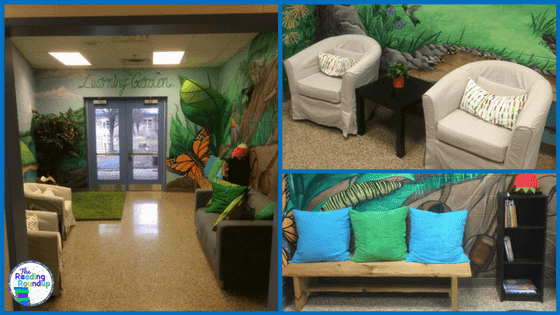
Since students responded so well to this minor change, I wanted to provide them with more options during independent reading. I purchased a couple bean bags, saucer chairs, and boyfriend pillows. I created a cozy reading nook in my classroom to make it inviting for students. And it worked! 

In an effort to motivate my students to be more engaged during independent reading I began offering flexible seating options. Continue reading to find out how I implemented flexible seating in my reading resource room and the impact it had on student engagement during independent reading.


As a result of the new reading nook, my students were so excited to read! I found the flexible seating options really helped the students to be more engaged during independent reading. In fact, on a daily basis other students stop by and tell me that they wish they could come read in my room!


Bringing Flexible Seating to Guided Reading


There was a disconnect between my cozy reading nook for independent reading and the formal setting of my guided reading table with traditional chairs. I found that students weren't always as engaged during small group instruction. The students in my group tend to struggle with attention issues so they had difficulty sitting still in my group. As a result I decided to purchase wobble stools! 


In an effort to motivate my students to be more engaged during independent reading I began offering flexible seating options. Continue reading to find out how I implemented flexible seating in my reading resource room and the impact it had on student engagement during independent reading.

Kore Wobble Chair


Students were provided the option to choose a wobble stool or a regular chair during our small group reading. Of course, this took some training to teach students the proper way to sit on the stools so they did not become a distraction. But the students quickly learned to make the right choice for the seating that worked best for them and most helped them to be engaged in our small group instruction. 

Students are only required to sit at the guided reading table when I'm giving explicit instruction. Typically this is just when I'm providing phonics practice or guided reading instruction in the primary grades. The older students have the option of sitting anywhere in my room during our instruction since we're typically focusing on comprehension which is a more collaborative approach instead of being as teacher-centered.


Flexible Seating Management


Luckily, since I have small groups I did not have to implement any formal management system of the flexible seating options. Students were allowed to select where they wanted to sit each day as they arrived. They did not need to move a clip to indicate their choice, instead they simply picked a book, chose their seat, and began to read. It naturally worked out and students did not fight over seats. Some groups of students found seats that they all naturally gravitated toward and they sat in the same spots each day. Other groups preferred to change things up, so they automatically took turns without me needing to keep track of spots.

Flexible Seating Success!


I noticed a tremendous difference in my students as a result of the flexible seating options. They were actually excited to read independently! Not only that, they were engaged in reading the entire time rather than pretending to read or wasting time finding a book to read. 

The data also indicated a positive impact!

In an effort to motivate my students to be more engaged during independent reading I began offering flexible seating options. Continue reading to find out how I implemented flexible seating in my reading resource room and the impact it had on student engagement during independent reading.

We had more students pass the state standardized test at the end of the year than we did the previous year. Is this entirely due to flexible seating? No, of course not. But I do think the fact that students were more engaged during independent reading played a huge part in the improvement last year.

Next Steps


Obviously, I plan on continuing to use flexible seating in my resource room. I'm hoping to add more options such as crate seats. We already have one school reading nook (pictured below) but I'd like to utilize other unused spaces in the building to make additional reading nooks for students. 


In an effort to motivate my students to be more engaged during independent reading I began offering flexible seating options. Continue reading to find out how I implemented flexible seating in my reading resource room and the impact it had on student engagement during independent reading.

In an effort to motivate my students to be more engaged during independent reading I began offering flexible seating options. Continue reading to find out how I implemented flexible seating in my reading resource room and the impact it had on student engagement during independent reading.
See the students reading with their feet up?!


Have you used flexible seating in your classroom? Did you find it beneficial or challenging to implement? Share your experiences with it in the comments below.


Want to Pin this for later?

In an effort to motivate my students to be more engaged during independent reading I began offering flexible seating options. Continue reading to find out how I implemented flexible seating in my reading resource room and the impact it had on student engagement during independent reading.

Should We Avoid Independent Reading for Struggling Readers?

Is independent reading helpful or hurtful for our struggling readers? What does research say about independent reading?

Facebook groups can be an amazing way to collaborate and connect with other educators across the state, country, and even the world! While it can be a place to gain amazing new ideas from other educators, it is also a place where we encounter educational beliefs that differ from our own. There is one comment I came across that really bothered me: 

"Avoid silent reading time if they are struggling."

Really?! This goes against everything I believe about helping our struggling readers. In this teacher's defense, I did not engage her in conversation to find out more about her statement as it was off topic from the original subject of the thread. Had I done so, I may have better understood her rationale for making that statement.  

Struggling readers need even more time to read independently than other students but unfortunately that does not always happen. Quite often, these students receive small group instruction within the classroom and are also pulled throughout the day to receive additional instruction from an interventionist. With all this instruction, these students are not given enough opportunities to implement the skills they are learning and practice reading in an authentic manner!


"...poor readers get more work on skills in isolation,
whereas good readers get assigned more reading activity."
~ Richard Allington

Let's use this mindset with the example of athletes, specifically volleyball players.  If the coach only has them do drills to learn proper technique for passing, serving, spiking, and blocking, then the players are likely to become strong with these specific skills but not successful volleyball players in a game. Athletes need to practice incorporating all of these skills together and independently identify which skills to use within an authentic game situation. Are there benefits to practicing skills in isolation? Of course, but it's pointless if it doesn't carry over into an authentic situation.


Is independent reading helpful or hurtful for our struggling readers? What does research say about independent reading?


The same holds true for our students. If they only do activities to learn reading skills in isolation, will they be able to implement these skills independently during authentic reading?  Ultimately, isn't our goal to encourage students to become readers and not just capable of implementing reading strategies during small group instruction?


Richard Allington constantly stresses the importance of independent reading practice for struggling readers. 


"We fill struggling readers' days with tasks 
that require little reading."  ~ Richard Allington


Is independent reading helpful or hurtful for our struggling readers? What does research say about independent reading?
Click above to purchase this book. (affiliate link)


I am NOT saying that we should let students practice reading independently without any support. Instead we should confer with students during independent reading to scaffold their reading. We can use that time to provide tips for picking "just right books," help students monitor their comprehension, and reinforce reading strategies taught during small group instruction. 

Here's a great resource to get you started with conferring during independent reading time:
Is independent reading helpful or hurtful for our struggling readers? What does research say about independent reading?
Click above to purchase this book (affiliate link).

With all of the research stating the importance of giving students more time to practice reading, I've began creating more opportunities for my students to read independently.  The results have been astounding on standardized test scores, but that is not our ultimate goal. The most rewarding result has been seeing struggling readers become empowered, confident, and engaged readers who WANT to read!  

Do you provide opportunities for independent reading?  How do you manage to find enough time to allow students to practice reading? Share your thoughts in the comments below!


Want to Pin this for later?

Is independent reading helpful or hurtful for our struggling readers? What does research say about independent reading?

Reader's Bill of Rights

Daniel Pennac's Reader's Bill of Rights seeks to identify how we can foster a love of reading. These rights are crucial for us to keep in mind for our students when planning our reading instruction.

     Daniel Pennac's Reader's Bill of Rights seeks to identify how we can foster a love of reading. These rights are especially crucial for us to keep in mind for our struggling readers. Quite often, we deny students some of these rights even though we value them for ourselves. When planning reading instruction, we need to constantly remember that our main goal is to inspire our students to develop a love of reading!


Daniel Pennac's Reader's Bill of Rights seeks to identify how we can foster a love of reading. These rights are crucial for us to keep in mind for our students when planning our reading instruction.

Students can still grow as readers even when they're not reading. Using the illustrations to make predictions, tell the story, or engage in discussion with peers are all ways to encourage literacy development without reading.  


Daniel Pennac's Reader's Bill of Rights seeks to identify how we can foster a love of reading. These rights are crucial for us to keep in mind for our students when planning our reading instruction.

As an avid reader, I admit to skipping paragraphs and/or pages at times! But because of my ability to monitor my comprehension, I can still maintain the overall meaning of the story.  While we may do this naturally, we have to explicitly teach students how to skim text without losing meaning.  We also have to stress when this strategy is and is not appropriate to use.


Daniel Pennac's Reader's Bill of Rights seeks to identify how we can foster a love of reading. These rights are crucial for us to keep in mind for our students when planning our reading instruction.

I do not force myself to finish a book that is not interesting to me, so why force students to finish a book?  We especially do not want to waste a struggling reader's time or effort reading a book they don't enjoy.  Our goal should be finding the books they can't put down and want to finish!


Daniel Pennac's Reader's Bill of Rights seeks to identify how we can foster a love of reading. These rights are crucial for us to keep in mind for our students when planning our reading instruction.

As educators, we realize the significance of rereading books to build fluency.  It is important for us to help students and parents realize how rereading can be beneficial.


Daniel Pennac's Reader's Bill of Rights seeks to identify how we can foster a love of reading. These rights are crucial for us to keep in mind for our students when planning our reading instruction.

As long as a student is actively engaged in independent reading, I allow them to read what interests them.  It may be a cookbook, comic strip, or directions to a new game they want to play.  All reading should be valued and encouraged!  


Daniel Pennac's Reader's Bill of Rights seeks to identify how we can foster a love of reading. These rights are crucial for us to keep in mind for our students when planning our reading instruction.

Teachers and students can get overwhelmed by all that is expected of us.  We each deserve the opportunity to have a slight escape from our daily lives by diving into a book.  Isn't that part of the magic of a good book?


Daniel Pennac's Reader's Bill of Rights seeks to identify how we can foster a love of reading. These rights are crucial for us to keep in mind for our students when planning our reading instruction.

I have had colleagues give me strange looks when they walk in my room and see students under desks or with their feet up on tables. But to me, it doesn't matter where they are just as long as they are actively engaged in reading.


Daniel Pennac's Reader's Bill of Rights seeks to identify how we can foster a love of reading. These rights are crucial for us to keep in mind for our students when planning our reading instruction.

All good shoppers know that sometimes you need to browse a bit before you buy.  Readers should have the same opportunity to browse different books before picking one that interests them.  Ultimately, our goal is for them to be actively engaged in reading.  Giving them a few minutes to browse for an interesting book will pay off in the end by having more engaged readers.


Daniel Pennac's Reader's Bill of Rights seeks to identify how we can foster a love of reading. These rights are crucial for us to keep in mind for our students when planning our reading instruction.

Reading out loud can build fluency. But we do need to be cautious of how we provide opportunities for students to read out loud.  For example while "round robin reading" does provide an opportunity for students to read aloud it is not best practices.


Daniel Pennac's Reader's Bill of Rights seeks to identify how we can foster a love of reading. These rights are crucial for us to keep in mind for our students when planning our reading instruction.

As individuals we all have different likes and dislikes. Once again, our goal is for students to be actively engaged in reading.  They are more likely to enjoy reading when provided opportunities to read what interests them.  


Daniel Pennac's Reader's Bill of Rights seeks to identify how we can foster a love of reading. These rights are crucial for us to keep in mind for our students when planning our reading instruction.

Click here to download a free copy of the 

Reader's Bill of Rights for your classroom!


The Reader's Bill of Rights is focused on independent student reading, in my opinion.  As educators, we do face the reality of teaching the curriculum and may not always be able to provide students access to these rights during every instructional activity; however, it should be our goal to provide students with these rights as often as possible. 

What do you think about the Reader's Bill of Rights? Did any of them really resonate with you?  Are there rights with which you disagree? Are there any amendments you would add? I would love to hear your thoughts!


want to pin this for later?

Daniel Pennac's Reader's Bill of Rights seeks to identify how we can foster a love of reading. These rights are crucial for us to keep in mind for our students when planning our reading instruction.